France counts the cost of violent protests as cities compare destruction to wartime damage
France is assessing the widespread damage left in the wake of violent protests that have swept through parts of the country. Images and reports from cities including Lyon paint a picture of destruction that witnesses are describing in starkly dramatic terms. The full scale of the unrest and its underlying causes remain subjects of ongoing scrutiny.
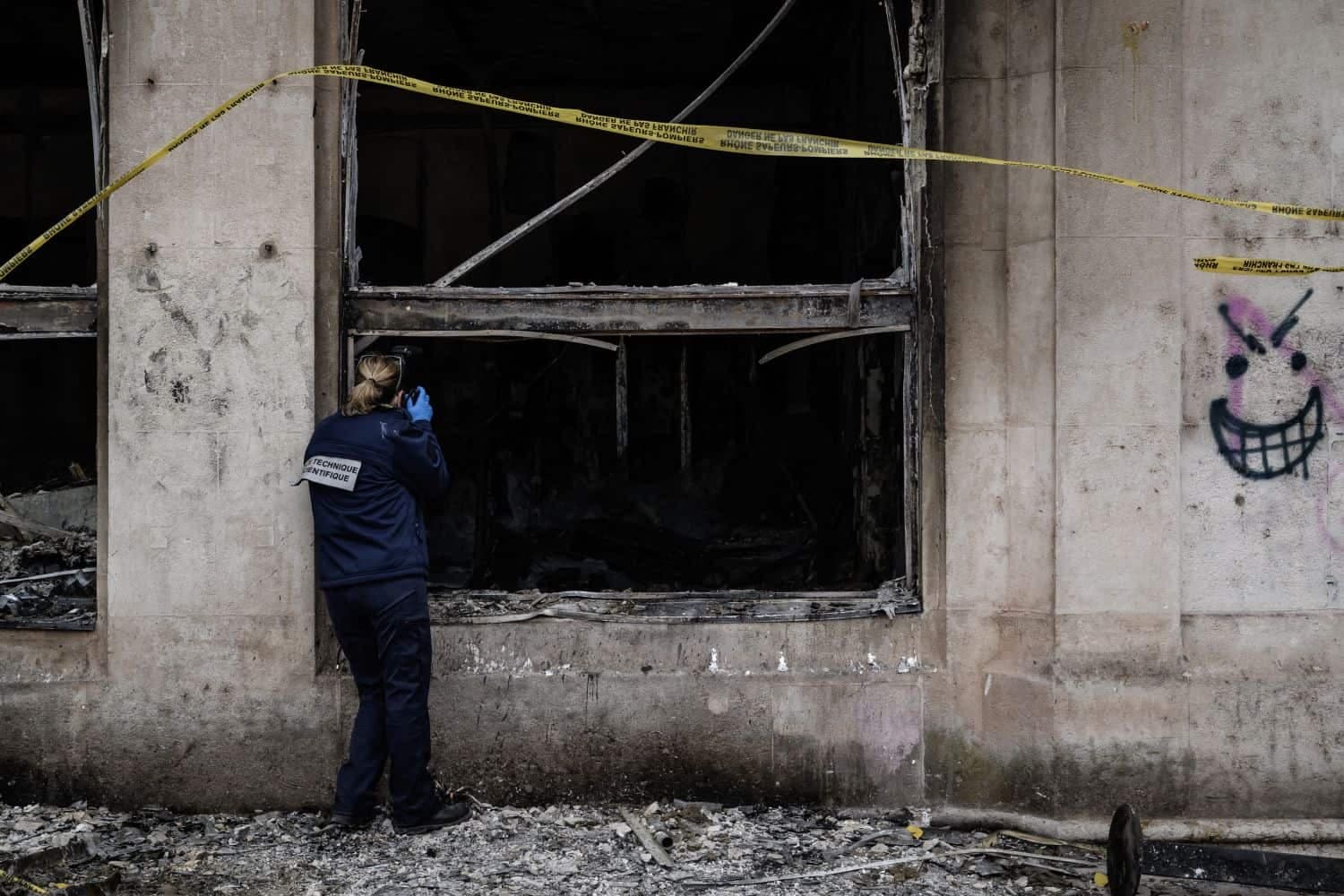
France is confronting the aftermath of a wave of violent protests that has left significant destruction across parts of the country, with those on the ground reaching for wartime comparisons to describe what they witnessed. The headline phrase — "like we had a war" — has emerged as a visceral shorthand for the scale of damage that communities are now tasked with assessing and repairing.
Reports captured on 18 October 2026 indicate that Lyon is among the cities visibly affected, with imagery from the protests showing scenes of widespread disruption. The comparison to wartime conditions, while evocative, reflects the emotional and material toll that the unrest has exacted on ordinary residents and business owners who found themselves caught in its path.
The precise triggers and full extent of the protests have not been detailed in the available information, meaning that readers should treat any singular explanation for the unrest with caution. What is clear is that the violence was significant enough to prompt a formal reckoning — an accounting of costs, both human and financial — that authorities and communities are now undertaking in earnest.
For South African readers, the images of urban unrest and its aftermath will carry a degree of familiarity. South Africa has its own lived experience of protest action that escalates into property destruction, most notably during the July 2021 unrest that caused billions of rands in damage and displaced thousands of workers. The French situation, while occurring in a very different political and social context, raises questions that resonate broadly: how do governments respond when civil unrest tips into widespread destruction, and who ultimately bears the cost?
The economic implications of large-scale protest damage are rarely straightforward to calculate. Insurance claims, municipal repair costs, lost business revenue, and the longer-term effect on investor and tourist confidence all feed into a final tally that typically takes weeks or months to establish. France, as one of the world's largest economies and a major tourism destination, faces particular scrutiny when scenes of burning streets and broken storefronts circulate on global media platforms.
Lyon, identifiable from the imagery associated with these reports, is France's third-largest city and a significant economic and cultural hub. Damage to a city of that stature carries implications beyond the immediate neighbourhood — it affects the national narrative around public order and the government's capacity to manage dissent without allowing it to spiral into destruction.
The framing of the protests as leaving behind something resembling a war zone also carries a political charge. Such language tends to harden positions on all sides: those sympathetic to the protesters' underlying grievances may feel it obscures legitimate frustration, while those focused on law and order will point to it as justification for firmer state responses. How the French government navigates that tension in the coming weeks will be closely watched both domestically and internationally.
At this stage, key details remain unclear. The specific causes or demands driving the protests, the number of people injured or arrested, the official government response, and the precise financial damage figures have not been confirmed in the available trend data. Readers seeking a full picture of what sparked the unrest and how authorities are responding will need to follow further reporting as those details emerge.
What the available information does confirm is that France is in a period of post-unrest reckoning, with the "counting of costs" — both literal and figurative — well underway. That process will shape not only repair budgets and insurance payouts, but also political conversations about inequality, policing, and the conditions that allow protests to become violent in the first place.
For observers in South Africa and elsewhere, the situation in France serves as a reminder that social unrest is not confined to any single type of society or economy. Wealthy, stable democracies are equally capable of experiencing moments when grievance, frustration, and civic breakdown collide with damaging consequences. How France responds to this moment — in terms of accountability, reconstruction, and political dialogue — will be a story worth watching closely in the weeks ahead.
Reporting record
How this story was produced
This article was AI-generated from the frozen trend evidence and passed deterministic quality and safety gates. No cross-provider evidence review or independent human verification is claimed for this record.
- Byline
- Newstrends AI Newsroom
- First published
- Last material update
- No later material update recorded
- Distinct source identifiers
- 1 retained source identifier
Frozen source links for this publication
Chronology
Story timeline
A generated chronology for orientation; dates and details may require source verification.
Update
Reports surface of widespread damage following violent protests in France, with Lyon among the affected cities and witnesses describing destruction 'like we had a war'.
Reader file
Frequently asked questions
01What happened during the violent protests in France?
France experienced a wave of violent protests that left significant damage across parts of the country, including the city of Lyon. Witnesses described the destruction using wartime comparisons, though the specific causes and full details of the unrest have not yet been fully confirmed in available reports.
02Which cities in France were affected by the protests?
Lyon is among the cities identified as being affected, based on imagery and reports from the unrest. The full list of affected cities has not been confirmed in the available information.
03What are the costs of the French protests?
Authorities and communities are in the process of assessing the damage. Precise financial figures have not yet been published, but the scale of destruction prompted widespread comparisons to wartime damage.
04Why are the French protests significant for South African readers?
South Africa has its own history of protest-related destruction, notably the July 2021 unrest. The French situation raises similar questions about government responses to civil unrest, economic costs, and the conditions that allow protests to turn violent.
Keep reading
Related coverage
More published reporting connected to this story.
874 Anti-Immigration Protests Recorded Across South Africa in Six Months, New Report Reveals
A newly published report has revealed that South Africa recorded 874 anti-immigration-related protests over a six-month period. This staggering figure highlights ongoing social tensions and places a significant spotlight on national policy and local policing resources.

Lille Trending in South Africa: What's Driving Interest in the French City?
The French city of Lille has emerged as a trending search topic among South African internet users, according to Google Trends data captured in October 2026. While the precise reason behind the spike remains unclear from available data, the trend signals that something connected to Lille has caught the attention of South Africans. Here is what is known and what remains to be confirmed.
Trump Shuts CNN, MS NOW and Politico Out of White House, Reports Reveal
Reports indicate that Donald Trump has barred major news outlets CNN, MS NOW, and Politico from the White House. The decision has raised immediate questions regarding global press freedom and the future of media access.
At Least Seven Dead and 23 Missing After Ferry Capsizes Off Northern Cyprus
A maritime tragedy off the coast of Northern Cyprus has left at least seven people dead and 23 others missing. Search and rescue operations are underway as authorities work to establish the cause of the ferry capsize.
Three European Countries Offer Residency Pathways for South Africans, New Report Shows
A new report highlights three European countries where South African citizens can acquire residency through investment. While the specific nations and financial thresholds remain to be fully detailed, the publication underscores a growing local demand for global mobility.