FlySafair Responds to Controversy Over Viral ‘Must Be Beautiful’ Recruitment Post
A viral recruitment post featuring a controversial requirement that candidates "must be beautiful" has prompted a response from South African airline FlySafair. The incident has sparked a broader conversation about fair hiring practices and recruitment transparency in South Africa.
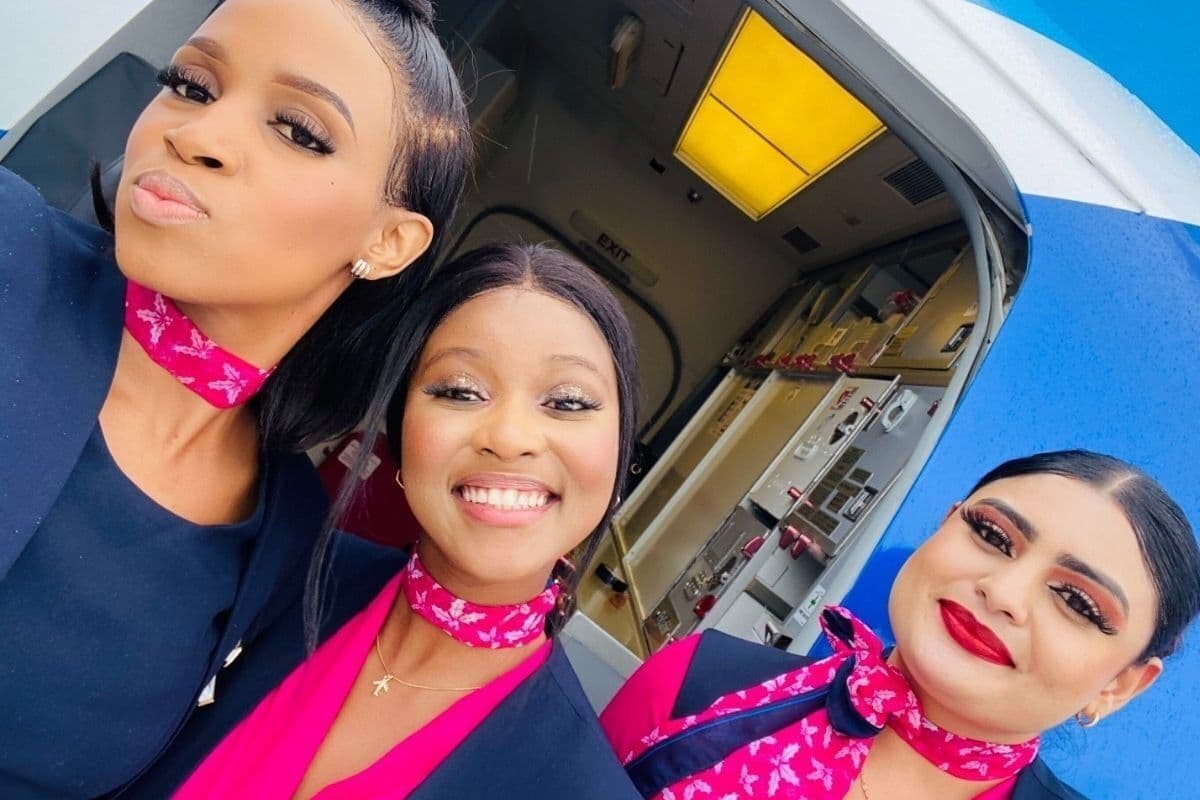
A viral recruitment post featuring the controversial requirement that applicants "must be beautiful" has sparked widespread discussion online, prompting a swift response from South African low-cost carrier FlySafair. The incident, which came to light on 16 August 2026, has thrust the airline's recruitment practices and corporate communication into the public spotlight. As South Africans react to the unusual job criteria, the situation highlights the sensitive nature of employment standards in the local aviation industry.
While the precise origin and full text of the viral post remain under scrutiny, the phrase "must be beautiful" has drawn significant attention from South African job seekers and social media users. In a country grappling with high unemployment rates, recruitment advertisements are heavily scrutinized by the public. Criteria perceived as exclusionary, subjective, or superficial often trigger intense online debates regarding the fairness of corporate hiring processes.
According to initial reports, FlySafair has actively responded to the viral post to address the growing public concern. While the exact medium and verbatim text of FlySafair’s clarification have not been exhaustively detailed in early reports, the airline's engagement indicates a clear effort to manage its public image and clarify its official hiring policies. Major carriers typically distance themselves from unauthorized third-party listings or clarify that their actual hiring criteria focus strictly on safety, professionalism, and regulatory compliance.
In South Africa, recruitment advertisements must align with strict constitutional and legislative frameworks, most notably the Employment Equity Act. Criteria that mandate specific physical appearance traits, such as being "beautiful," are highly controversial and can run afoul of fair labor practices. Unless a physical characteristic constitutes an inherent requirement of the job—which is rarely the case for standard aviation or cabin crew roles—such demands are viewed as discriminatory and quickly attract public censure.
The incident also highlights a common challenge faced by prominent South African brands: the rise of unauthorized or fraudulent recruitment advertisements. Companies frequently warn the public against fake job listings posted on social media platforms by third parties. These unauthorized posts often use corporate logos without permission and include unusual or illegal requirements designed to exploit desperate job seekers. It remains to be confirmed whether this viral post was an official communication or the work of an external entity.
The speed at which the "must be beautiful" post spread underscores the power of social media in shaping corporate reputation in South Africa. For consumer-facing brands like FlySafair, maintaining public trust is essential to business operations. Rapid response to viral controversies is standard practice for modern public relations departments looking to mitigate potential reputational damage and reassure the public of their commitment to fair and equitable employment.
At this stage, several key details surrounding the viral post remain unverified. It is still unclear which specific platform the post first appeared on, whether the listing was created by an external recruitment agency, and what formal steps FlySafair is taking to investigate the matter internally. As the story continues to develop, industry observers and consumers are waiting for a comprehensive, formal statement from the airline to fully clarify its position on the matter.
Moving forward, South African job seekers and aviation enthusiasts will be watching closely to see how FlySafair resolves the issue and whether any changes are made to how its recruitment opportunities are advertised. This incident serves as a timely reminder of the critical importance of transparent, non-discriminatory hiring practices in the digital age, where a single controversial post can quickly become a major national talking point.
Reporting record
How this story was produced
This article was AI-generated from the frozen trend evidence and passed deterministic quality and safety gates. No cross-provider evidence review or independent human verification is claimed for this record.
- Byline
- Newstrends AI Newsroom
- First published
- Last material update
- No later material update recorded
- Distinct source identifiers
- 1 retained source identifier
Frozen source links for this publication
Chronology
Story timeline
A generated chronology for orientation; dates and details may require source verification.
Update
Reports emerge detailing a viral recruitment post containing the "must be beautiful" requirement and FlySafair's subsequent response.
Reader file
Frequently asked questions
01What was the controversial requirement in the viral FlySafair recruitment post?
The viral post reportedly stated that candidates "must be beautiful," which sparked public debate and criticism online regarding fair hiring practices.
02How did FlySafair react to the post?
FlySafair actively responded to the viral post to address public concern, though the specific text and platform of their clarification have not been exhaustively detailed.
03Is physical appearance a legal recruitment criterion in South Africa?
Under South African labor legislation, such as the Employment Equity Act, recruitment criteria must be fair and non-discriminatory. Subjective requirements like physical beauty are highly controversial and generally not permitted unless they are an inherent requirement of the job.
Keep reading
Related coverage
More published reporting connected to this story.

Gen Z Falls in Love with Chess Again as South African Youth Embrace the Game
A new report from The Citizen reveals that Generation Z in South Africa has developed a passion for chess. While specific participation statistics remain unconfirmed, the viral trend highlights a growing interest in strategic gaming among younger demographics.

Reported Spiritual Transition: Inside Oscar Pistorius's New Life and the Legacy of Reeva Steenkamp
Recent media reports have shed light on the post-prison life of former Paralympic athlete Oscar Pistorius, highlighting a spiritual transition. The updates also emphasize the enduring public memory and legacy of the late Reeva Steenkamp.

PowerBall Jackpot: Anticipation Builds Across South Africa Ahead of Tonight’s Draw
Excitement is mounting across South Africa as players prepare for tonight's highly anticipated PowerBall draw on Friday, 14 August 2026. Local media platforms have released comprehensive guides to assist participants ahead of the evening selection.

Eastern Cape Couple Treats Six-Year-Old Daughter to Magical Snow Experience in Viral Video
A heartwarming video of an Eastern Cape couple introducing their six-year-old daughter to snowfall has gone viral online. The footage captures a rare family moment during the South African winter season, sparking widespread interest.
Resurfaced Video of Smiling Cameron Waldeck-Cooks Sparks Wide Public Interest Online
A resurfaced video clip of a smiling Cameron Waldeck-Cooks has emerged online, drawing significant attention. The video circulates amidst reports of a tragic incident involving St Stithians and an exchange student.