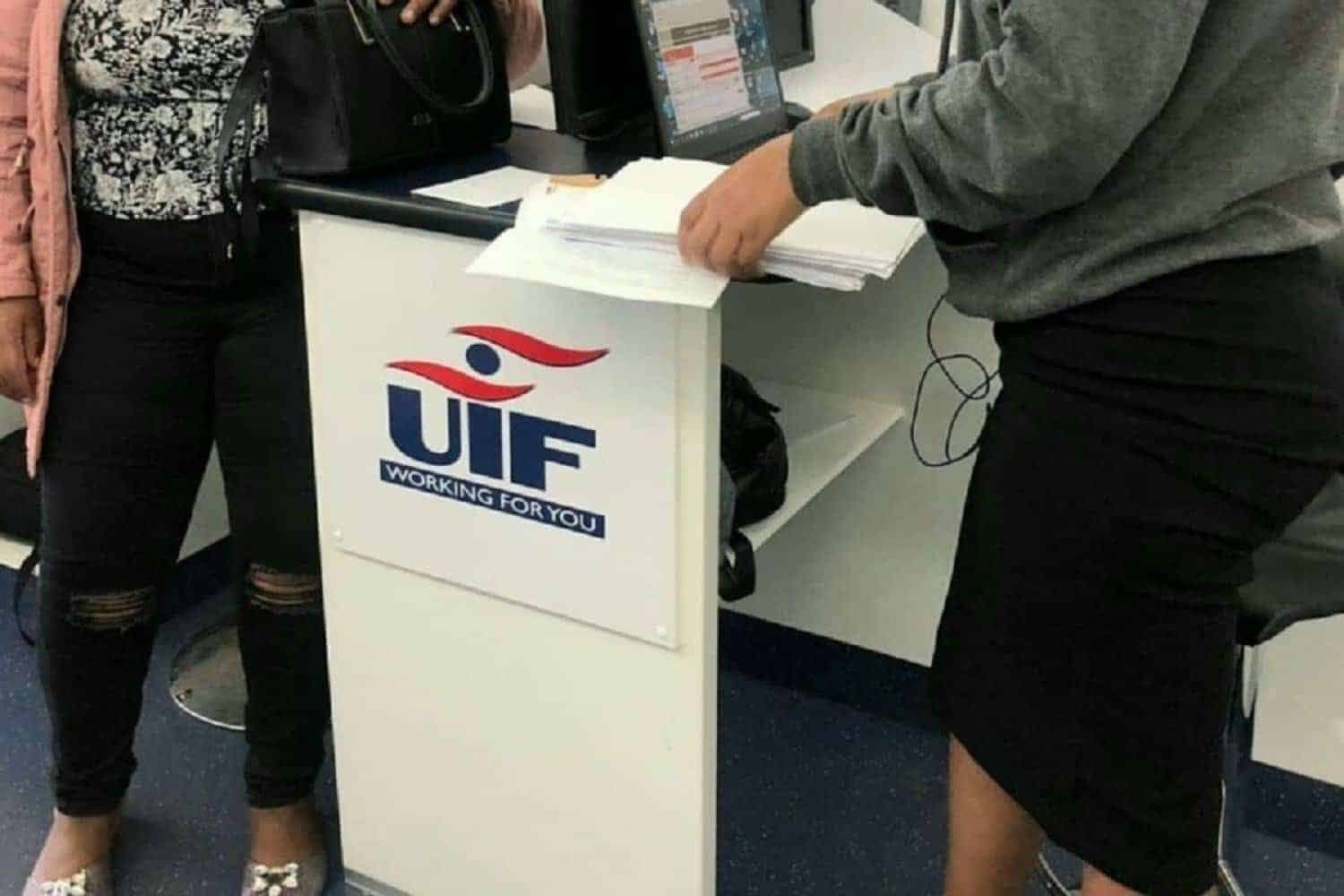
The Directorate for Priority Crime Investigation, popularly known as the Hawks, has arrested two suspects in the Eastern Cape in connection with an alleged Unemployment Insurance Fund (UIF) fraud scheme valued at R1.1 million. The arrests, which were confirmed in mid-September 2026, represent another significant step in the ongoing national crackdown against the abuse of public funds and social security systems in South Africa.
According to the initial reports, the specialized law enforcement operation focused on uncovering financial irregularities within the province, leading to the apprehension of the two individuals. While the Hawks have confirmed the arrests and the total amount of R1.1 million involved in the fraudulent activities, specific details regarding the identities of the suspects have not yet been formally released to the public.
At this stage of the investigation, several key details remain unclear. It has not been specified whether the alleged fraud involved standard Unemployment Insurance Fund claims or if it was linked to the Covid-19 Temporary Employer/Employee Relief Scheme (TERS), which has been a major focus of recent national audits. Furthermore, the exact roles of the two arrested individuals—whether they acted as employers, state officials, or external intermediaries—have not been disclosed, and their upcoming court appearance dates are yet to be finalized by the National Prosecuting Authority.
The Unemployment Insurance Fund, which operates under the oversight of the South African Department of Employment and Labour, serves as a critical safety net for workers across the country. It is designed to provide short-term financial relief to individuals who have lost their jobs, or those unable to work due to illness, maternity leave, or adoption. When public funds of this nature are targeted by fraudsters, it directly undermines the state's ability to support vulnerable citizens who rely on these payouts for survival.
In South Africa, the Hawks are mandated to investigate serious organized crime, commercial crime, and high-level corruption. The unit's intervention in this Eastern Cape case underscores the seriousness with which the government is treating the depletion of public resources. Over the past few years, the administration of the UIF has faced intense scrutiny from both the public and the Auditor-General, following numerous reports of systemic vulnerabilities and fraudulent claims across various provinces.
The economic impact of financial fraud in provinces like the Eastern Cape is particularly severe. As one of South Africa's more economically challenged regions, the loss of R1.1 million in public funds deprives the local economy of essential support systems. Law enforcement agencies have repeatedly emphasized that safeguarding these funds is a priority, and arrests like these are intended to send a strong deterrent message to syndicates and individuals targeting state coffers.
Moving forward, the public and legal observers will be watching the courts closely as the formal charges against the two suspects are presented. The upcoming legal proceedings are expected to shed light on the exact methods used to bypass the UIF's security controls and whether any internal departmental assistance was involved. Additionally, observers will monitor whether the Department of Employment and Labour introduces further system reforms to prevent similar fraudulent activities in the future.