Could the Griquas’ Class of 2026 Slay the All Blacks? New Debate Sparks Interest in SA Rugby
An opinion piece from The Citizen has sparked debate by suggesting the 2026 Griquas squad could challenge the All Blacks. The discussion highlights the enduring legacy of South Africa's historic provincial giant-killers.
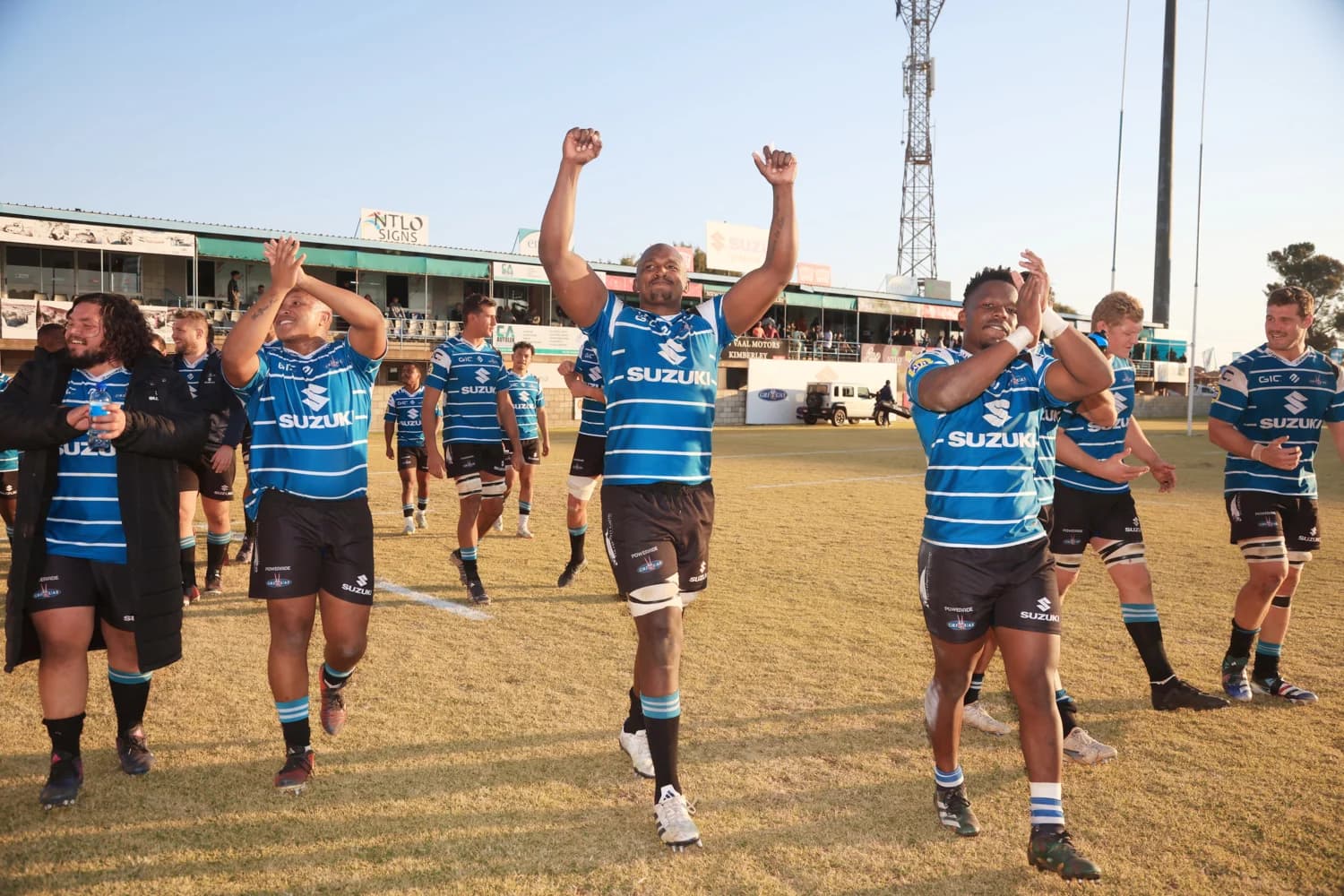
A compelling new perspective on South African provincial rugby has emerged following the publication of a prominent opinion piece by local media outlet The Citizen. Published on 18 August 2026, the article, titled "Griquas’ class of 2026 could have slain All Blacks giants again," has sparked widespread interest and debate among rugby enthusiasts across the country. The piece taps into the deep-seated nostalgia and competitive spirit of South African rugby, raising the intriguing possibility of the current Kimberley-based squad taking on one of the most formidable forces in international sport: the New Zealand All Blacks.
The central premise of the discussion revolves around the "class of 2026" Griquas squad and their potential to replicate the historic "giant-killing" feats of their predecessors. In the rich tapestry of South African rugby history, the Griquas—historically representing the Northern Cape region—have long held a reputation for punching well above their weight. The suggestion that the 2026 cohort possesses the grit and tactical capability to challenge the mighty All Blacks speaks volumes about the perceived strength and depth of the current provincial setup, even in an era dominated by national franchise competitions.
While the available trend data does not outline specific player names, squad statistics, or confirmed match schedules, the narrative itself serves as a testament to the enduring stature of the Griquas. In South African rugby folklore, matches between touring international sides and local provincial teams were once the lifeblood of the sport. The prospect of a modern-day Griquas side facing the All Blacks evokes memories of a bygone era when mid-week tour matches tested the depth of visiting nations against fierce, proud local unions.
What remains unclear from the initial reports is whether this commentary is prompted by a proposed future tour fixture or if it remains an entirely hypothetical exercise in sports journalism. Historically, tours by the All Blacks to South Africa have featured matches against provincial unions, but modern professional schedules have made such fixtures increasingly rare. Without official confirmation from SA Rugby or New Zealand Rugby regarding a scheduled fixture for the Griquas in 2026, local fans are left to debate the merits of the claim based on the team's current domestic form.
The significance of this discussion lies in how it reflects the current state of South African rugby. Even without the financial backing of the country's larger metropolitan franchises, teams like the Griquas continue to capture the imagination of the public. The "class of 2026" represents a symbol of provincial resilience. For many supporters, the belief that a local side could "slay" the All Blacks giants is not merely wishful thinking, but a reflection of the unique, uncompromising brand of rugby nurtured in the Northern Cape.
As the rugby community processes the ideas raised by The Citizen, the focus naturally turns to what lies ahead for the Griquas. Whether or not an official fixture against an international giant ever materialises, the debate itself elevates the profile of the team. It challenges administrators and fans alike to consider the value of preserving traditional tour formats. For now, the "class of 2026" will continue their domestic campaigns, carrying with them the proud legacy of a union that has never feared the giants of the game.
Reporting record
How this story was produced
This article was AI-generated from the frozen trend evidence and passed deterministic quality and safety gates. No cross-provider evidence review or independent human verification is claimed for this record.
- Byline
- Newstrends AI Newsroom
- First published
- Last material update
- No later material update recorded
- Distinct source identifiers
- 1 retained source identifier
Frozen source links for this publication
Chronology
Story timeline
A generated chronology for orientation; dates and details may require source verification.
Update
The Citizen publishes an opinion piece highlighting the potential of the Griquas' class of 2026 against the All Blacks.
Reader file
Frequently asked questions
01What is the origin of the debate surrounding the Griquas' class of 2026?
The debate was sparked by an opinion piece published by South African media outlet The Citizen on 18 August 2026, titled 'Griquas’ class of 2026 could have slain All Blacks giants again'.
02Are there any confirmed fixtures between the Griquas and the All Blacks in 2026?
Based on the available trend data, there are no confirmed fixtures or official match schedules. The discussion remains an opinion-based analysis of the team's potential.
03Why are the Griquas referred to as 'giant-killers'?
The Griquas have a long-standing historical reputation in South African rugby for defeating larger, more heavily favoured opponents, including touring international sides in past eras.
Keep reading
Related coverage
More published reporting connected to this story.
All Blacks to Treat URC Franchise Clashes with Test-Match Intensity, Says Sititi
The New Zealand All Blacks will approach their upcoming matches against United Rugby Championship (URC) franchises with the same intensity as international Tests. According to comments from Sititi, the powerhouse team is preparing for highly competitive encounters on South African soil.
All Blacks Set to Rotate Squad Ahead of Clashing With Rugby Legend Ma’a Nonu
The New Zealand All Blacks are reportedly planning significant squad changes for an upcoming fixture. The team is preparing to face their legendary former midfielder, Ma’a Nonu, in a highly anticipated matchup.

Fierce Rivals, Shared Roots: Viral Report Explores All Blacks Players with Strong South African Ties
A viral report from local media has sparked intense curiosity among South African rugby fans by highlighting All Blacks players with strong ties to South Africa. The trend underscores the deep, interconnected history between the world's two greatest rugby rivals.
All Blacks' Cape Town Takeover Sends Early Warning To Springboks
Reports of an All Blacks 'takeover' in Cape Town have issued an early warning to the Springboks. While specific match and event details remain unconfirmed, the development highlights the historic rugby rivalry in the region.

‘Voetsek!’: All Blacks Supporters at Loftus Versfeld Put on Blast in Viral Rugby Fan Clash
Reports of New Zealand All Blacks supporters being told to 'Voetsek' at Pretoria's Loftus Versfeld have gone viral. The incident highlights the intense rivalry and passionate fan culture surrounding South African rugby. While specific details of the encounter remain sparse, the interaction has sparked widespread online discussion.