Charity Races to Raise Millions to Save Historic English Estate
An urgent international fundraising campaign has been launched by a charity seeking to raise millions to buy a historic English estate. The developing story has gained significant traction among South African readers tracking global heritage preservation efforts.
A high-stakes international conservation effort has captured global attention as an unnamed charity races against the clock to raise millions of pounds to purchase a historic English estate. According to reports syndicated by South African news platform Independent Online (IOL) on 12 August 2026, the ambitious fundraising campaign represents a critical bid to preserve a significant piece of British heritage before it falls into private hands or faces potential redevelopment.
While the initial reports highlight the urgency of the campaign, several key details regarding the transaction remain unconfirmed. The specific identity of the historic estate, its precise geographical location within England, and the exact name of the charity leading the charge have not yet been publicly disclosed in the initial briefings. Additionally, the exact financial target—described broadly as "millions"—and the final deadline for the fundraising drive remain key pieces of information that observers are waiting to verify.
Despite these gaps in detail, the story has quickly gained traction in South Africa, emerging as a notable topic of interest in local media. For many South African readers, international heritage preservation projects hold a distinct appeal, often drawing parallels to local conservation efforts aimed at protecting historical landmarks and natural reserves. The historical ties between South Africa and the United Kingdom also foster a natural curiosity toward the fate of Britain's architectural and environmental legacy.
The financial magnitude of raising "millions" for such a purchase underscores the immense challenges faced by modern heritage trusts. For South African supporters wishing to follow or contribute to the cause, the current economic climate and exchange rate fluctuations between the South African Rand (ZAR) and the British Pound (GBP) present a formidable barrier, making any direct financial participation a significant undertaking. This economic reality highlights the necessity for such campaigns to secure broad, international backing to reach their goals.
In the broader context of global heritage preservation, campaigns of this nature are increasingly turning to digital platforms to secure funding. Categorised as viral news, this fundraising race demonstrates how modern charities rely on rapid, widespread digital engagement to mobilise donors across borders. By elevating the campaign to an international audience, conservationists hope to tap into a global network of history enthusiasts and philanthropists who view the preservation of historic estates as a shared global responsibility.
The risks associated with a failed bid are substantial. When historic estates are put up for private sale without intervention from conservation bodies, they are often subdivided, developed, or closed off to the general public. Successful acquisition by a dedicated charity, conversely, typically ensures that the land and its historical structures are preserved for public benefit, educational purposes, and environmental protection. This binary outcome is what drives the intense urgency of the current fundraising race.
As the campaign progresses, international onlookers and South African heritage advocates will be watching closely to see if the charity can bridge the multi-million-pound gap. Key milestones to watch include the formal announcement of the total funds raised, potential corporate sponsorships, and any statements from the current owners of the estate regarding the timeline of the sale.
Ultimately, this developing story serves as a stark reminder of the ongoing struggle to safeguard historical sites in an increasingly commercialised property market. Whether this particular English estate will be saved for future generations or lost to private interests remains to be seen, but the global response to the call for aid highlights an enduring collective value placed on history and heritage.
Reporting record
How this story was produced
This article was AI-generated from the frozen trend evidence and passed deterministic quality and safety gates. No cross-provider evidence review or independent human verification is claimed for this record.
- Byline
- Newstrends AI Newsroom
- First published
- Last material update
- No later material update recorded
- Distinct source identifiers
- 1 retained source identifier
Frozen source links for this publication
Chronology
Story timeline
A generated chronology for orientation; dates and details may require source verification.
Update
South African news outlet IOL reports on the urgent charity campaign to raise millions for the historic English estate.
Reader file
Frequently asked questions
01Which English estate is being purchased?
The specific name and location of the historic English estate have not yet been disclosed in the initial reports.
02How much money does the charity need to raise?
The reports state that the charity needs to raise 'millions', though the exact financial target has not been specified.
03Who is organising the fundraising campaign?
The identity of the charity leading the fundraising race remains unconfirmed in the current reports.
Keep reading
Related coverage
More published reporting connected to this story.
A Father's Devotion: How a Story of Love and Recovery After Tragedy is Inspiring South Africans
A touching report by the Sunday Tribune detailing a father's unwavering support for his daughter's recovery after a tragic accident has gone viral. The story highlights the vital role of family caregiving and parental love in overcoming trauma.

Viral Report: Rachel John Weighs In on Saskia Snyman’s Baby Gender Amid Siya Kolisi Rumours
A viral report from The South African has sparked online curiosity after Rachel John commented on Saskia Snyman's baby gender. The report, which refers to John as Siya Kolisi's 'girlfriend' in quotes, has raised questions among local readers.
SA Teen Wernand Elated as GoFundMe Backed by BI Phakathi Surpasses R2 Million
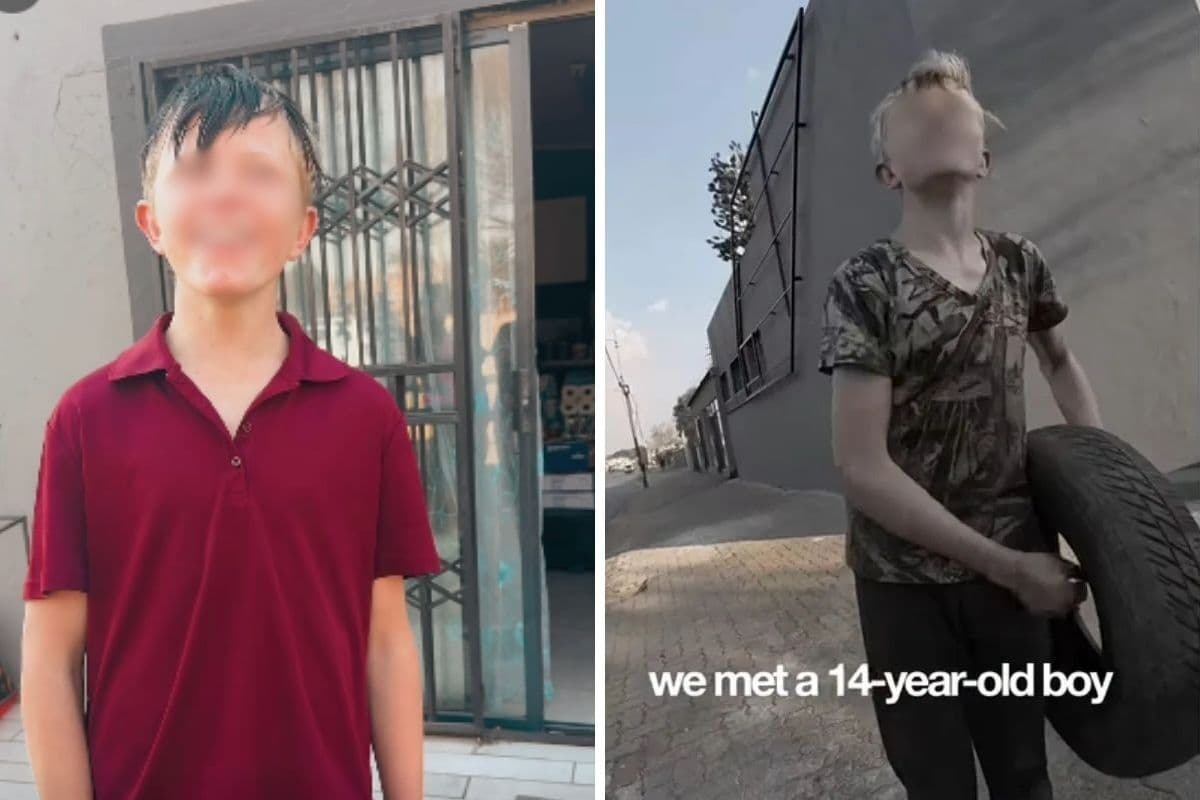
A GoFundMe campaign for South African teenager Wernand has officially surpassed the R2 million mark, sparking widespread celebration online. Supported by prominent philanthropist BI Phakathi, the initiative has captured the hearts of locals under the guiding philosophy of 'give and you will receive'.
VIDEO | Heart-Warming Reunion of Stephen and His Beloved Dog Fireman in Malawi Goes Viral
A touching video of a man named Stephen reuniting with his dog, Fireman, in Malawi has captured the hearts of social media users. Published by IOL, the viral footage highlights the powerful bond between humans and their pets.

Steve Hofmeyr’s Lookalike Son Devon Weds in Highly Talked-About Ceremony
Devon Hofmeyr, the lookalike son of South African performer Steve Hofmeyr, has married. The lifestyle news has sparked significant interest across local social media platforms following the release of wedding photos.