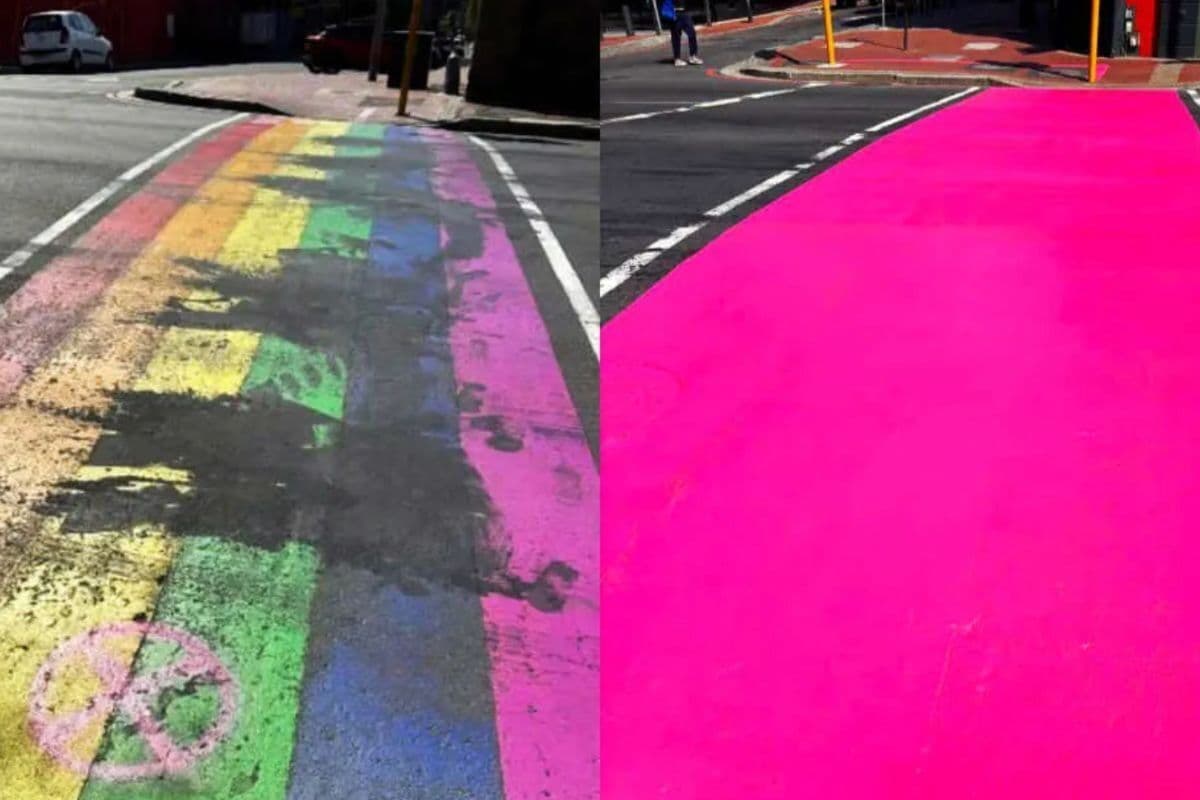
Cape Town’s iconic rainbow crossing has reportedly been targeted by vandals twice within the space of just a few days, raising concerns over the protection of symbolic public infrastructure in the mother city. The recurring incidents, which came to light in early September 2026, have drawn widespread attention to the vulnerability of public installations designed to celebrate diversity and inclusivity. While the initial reports confirm the double defacement, local authorities and community members are left grappling with the immediate fallout of these successive acts of vandalism.
At this stage of the investigation, several key details surrounding the incidents remain unconfirmed. The exact nature of the damage inflicted on the crossing, the tools or materials used by the perpetrators, and the precise times at which the acts occurred have not been publicly detailed in initial reports. Furthermore, the identity and motives of those responsible for the double defacement remain unknown. What is clear, however, is the deliberate timing of the acts, with the second incident occurring shortly after the first, signaling a persistent targeting of the site.
Rainbow crossings serve as highly visible symbols of LGBTQIA+ pride, representation, and safety in urban spaces worldwide. In South Africa, a nation with a constitution that explicitly protects individuals from discrimination based on sexual orientation, these installations carry profound historical and social weight. Cape Town, often marketed as a premier inclusive destination, has utilized public art and colorful infrastructure to signal its commitment to these constitutional values. Consequently, any defacement of such a symbol is widely interpreted as an attack on the values of diversity and mutual respect.
The rapid succession of the two acts of vandalism suggests that these were not random, isolated occurrences of general anti-social behaviour. Instead, the repeated targeting within days points to a focused effort to deface the installation. This pattern has prompted broader discussions regarding the security of public art and symbolic infrastructure in metropolitan areas. Protecting open, accessible pedestrian spaces presents a unique challenge for municipal security, as these sites are constantly exposed to the public and difficult to monitor continuously.
From a practical and legal standpoint, the vandalism of municipal property carries direct consequences for local governance and taxpayers. Under South African municipal bylaws, the destruction or defacement of public roads and pedestrian crossings is an illegal act that requires the reallocation of public funds for restoration and cleanup. Each instance of repair demands municipal labor, specialized paint, and traffic management, diverting resources that could otherwise be utilized for broader infrastructural maintenance across the city.
The incidents also highlight the ongoing societal tensions regarding representation in public spaces. While many residents and visitors view the rainbow crossing as a positive marker of a progressive and welcoming metropolis, the acts of vandalism expose undercurrents of hostility. For local advocacy groups and community members, such incidents serve as a reminder of the challenges still faced in achieving full social acceptance, demonstrating that constitutional protections do not automatically translate into universal local tolerance.
Media coverage, including reports by South African news outlets, has played an essential role in bringing the vandalism to the public's attention. By documenting these occurrences, the media fosters public debate about the state of civic pride, the effectiveness of municipal law enforcement, and the preservation of community symbols. The viral nature of the news indicates a high level of public engagement and concern among South Africans regarding how the city responds to such divisive actions.
As the situation develops, observers and residents will be watching closely to see how the City of Cape Town and local law enforcement agencies respond. Key areas of interest include whether closed-circuit television (CCTV) footage will be used to identify the suspects, what additional security measures might be implemented to safeguard the crossing, and how quickly the municipal services will restore the vibrant colors of the pedestrian walkway to their original state.