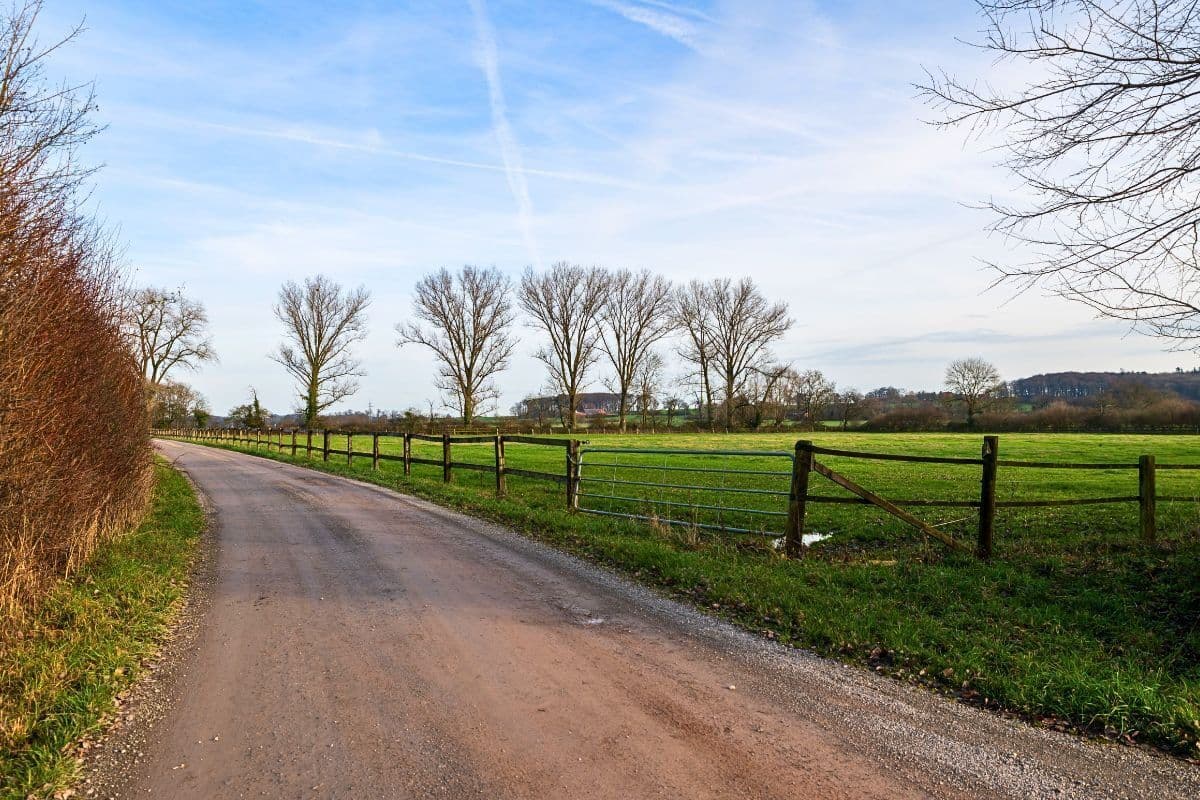
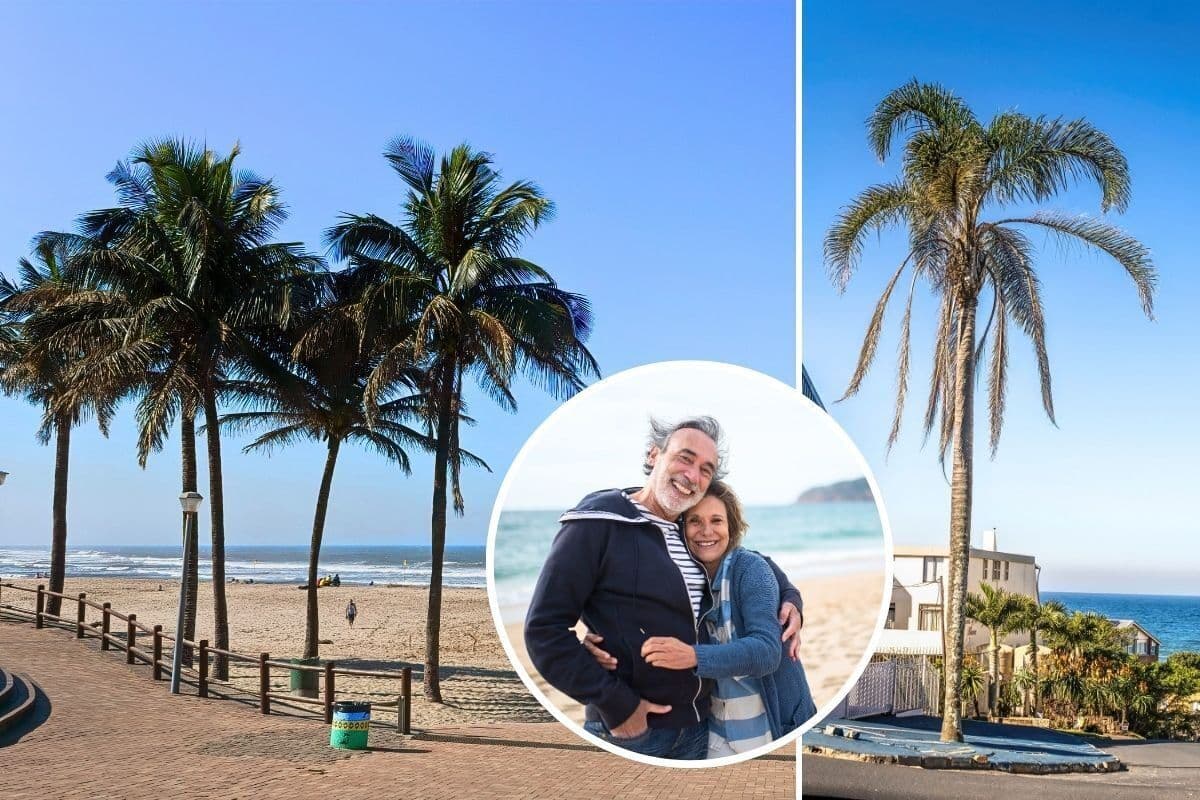
A newly published property report has sparked widespread interest across South Africa by highlighting an incredibly affordable real estate opportunity in a historic setting. According to details released on 22 September 2026 by local outlet The South African, vacant plots of land are currently available for as little as R150 000 in a 206-year-old town situated just ten minutes away from the beach. This combination of historic charm, coastal proximity, and an exceptionally low entry price has quickly captured the attention of prospective homebuyers and property investors.
For many South Africans, the dream of owning property near the ocean has become increasingly difficult to achieve. In traditional coastal hotspots across the Western Cape, KwaZulu-Natal, and parts of the Eastern Cape, property inflation has pushed the cost of vacant land well into the millions. A price tag of R150 000 for a plot of land within a ten-minute drive of the beach represents a rare and highly accessible entry point into the coastal property market, particularly for first-time buyers or those looking to build a holiday home.
The historical significance of the town in question adds a unique layer of appeal. A town that is 206 years old in 2026 would have been established around 1820, a notable era in South African history marked by the establishment of various rural outposts. These historic towns are often characterised by classic architecture, mature trees, a slower pace of life, and a strong sense of community. For buyers looking to escape the hustle of major metropolitan areas, the promise of rustic, historic living combined with easy beach access is a significant drawcard.
While the initial report has generated substantial excitement, specific details regarding the exact geographical location and the name of this 206-year-old town remain to be fully detailed in the primary trend data. In South Africa, several historic settlements near the coastline could fit this description, particularly along the Eastern Cape and Western Cape coastlines, which are famous for historic settler towns located just inland from popular beaches. Prospective buyers are encouraged to monitor local property portals to identify the exact municipal area hosting these budget-friendly plots.
This development aligns closely with the ongoing national trend of "semigration," where South Africans are relocating from inland cities like Johannesburg and Pretoria to coastal provinces and smaller towns. The rise of remote work has enabled professionals to seek out affordable lifestyles without being tied to major corporate hubs. A R150 000 plot offers an ideal canvas for remote workers, retirees, or young families looking to design and build a custom home, potentially utilising sustainable, off-grid technologies to bypass municipal service challenges.
However, purchasing highly affordable land in historic or rural areas requires careful due diligence. Property experts warn that low-cost plots can sometimes come with hidden expenses. Buyers must investigate whether the plots are fully serviced with water, electricity, and sewerage connections, or if they will need to fund these installations independently. Furthermore, building in a town with a 206-year history may mean navigating local heritage conservation guidelines, which can place restrictions on architectural designs to preserve the town's historic aesthetic.
For the historic town itself, an influx of new property buyers could signal a welcome economic boost. Small-town economies often rely heavily on tourism and local agriculture; a sudden interest in residential property development can stimulate the local construction sector, create jobs, and increase municipal revenue through rates and taxes. Nevertheless, local municipalities will need to ensure that their existing infrastructure can handle the potential growth in population and housing density without compromising the very charm that makes the town attractive.
As interest in these R150 000 plots continues to grow, industry observers expect a surge in inquiries directed at real estate agencies operating in historic coastal regions. Whether this trend leads to a sustained property boom in the area or remains a niche opportunity for adventurous builders, it highlights a growing demand for affordable, alternative living spaces in South Africa. Prospective buyers should watch for further detailed listings and prepare to act quickly, as low-cost land in desirable locations rarely stays on the market for long.